More complaints, fewer arrests
Reported family violence rises 60%; arrests fall to less than a third.
From complaint to classroom · What training can be built from an organization’s own records?
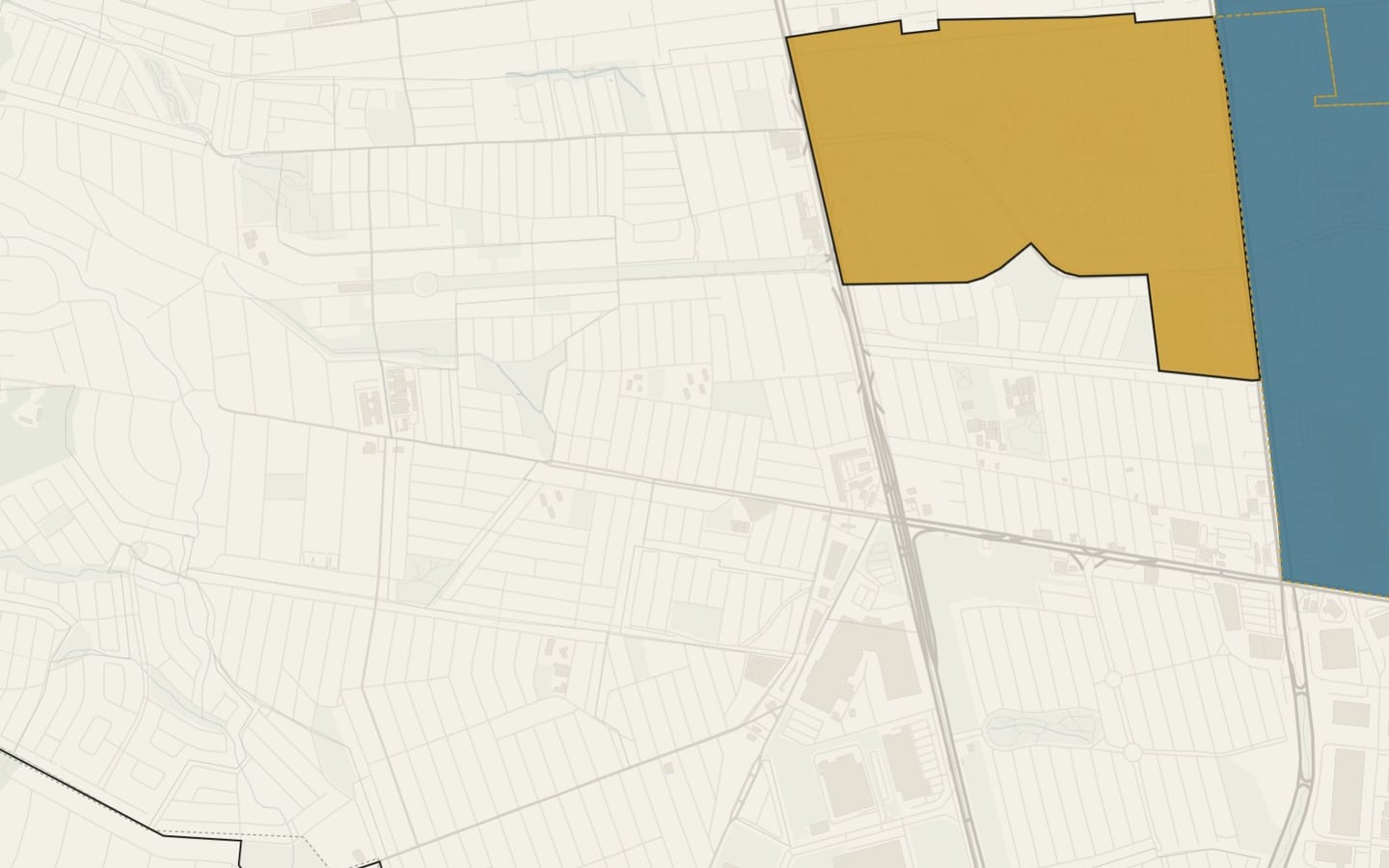
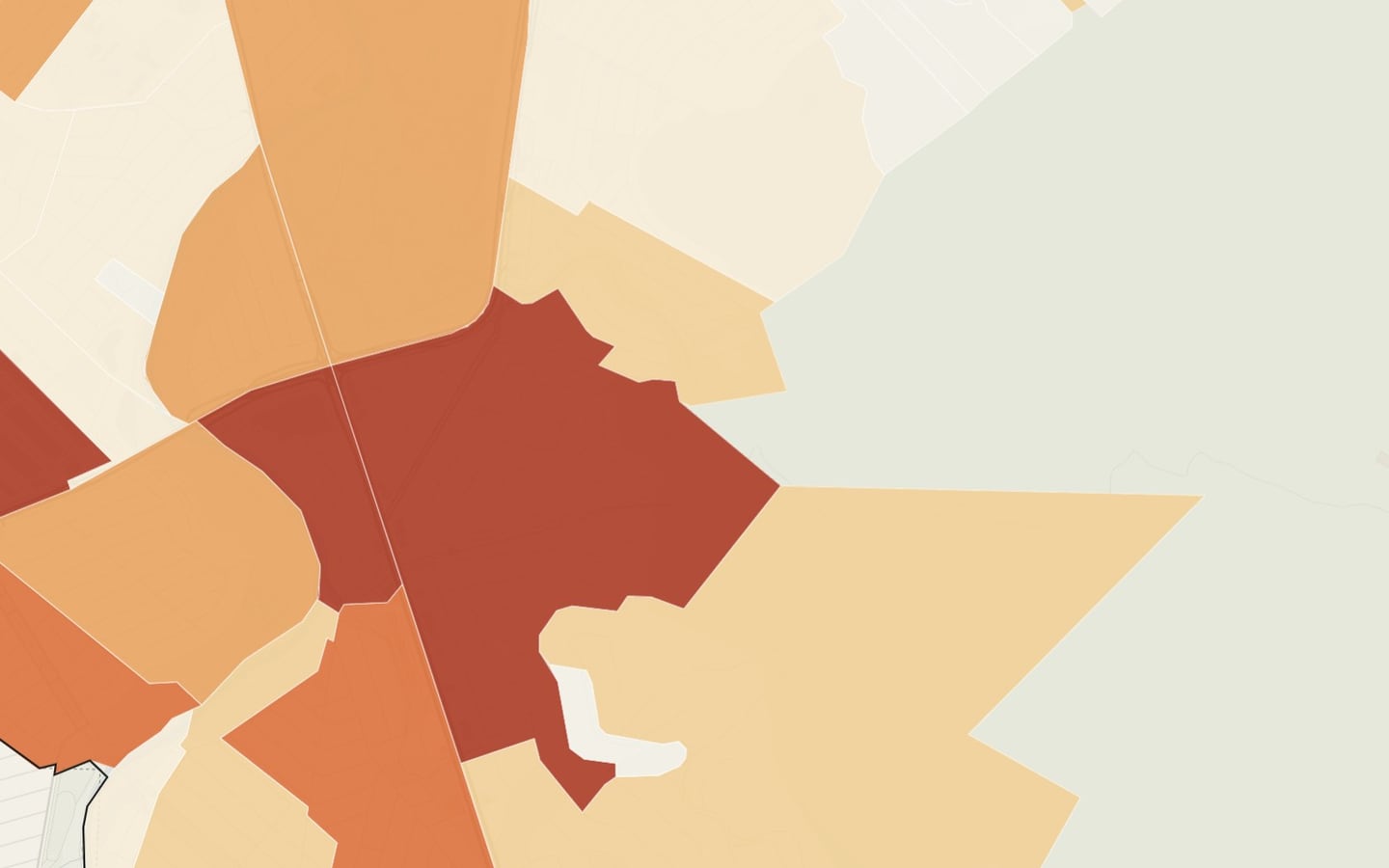
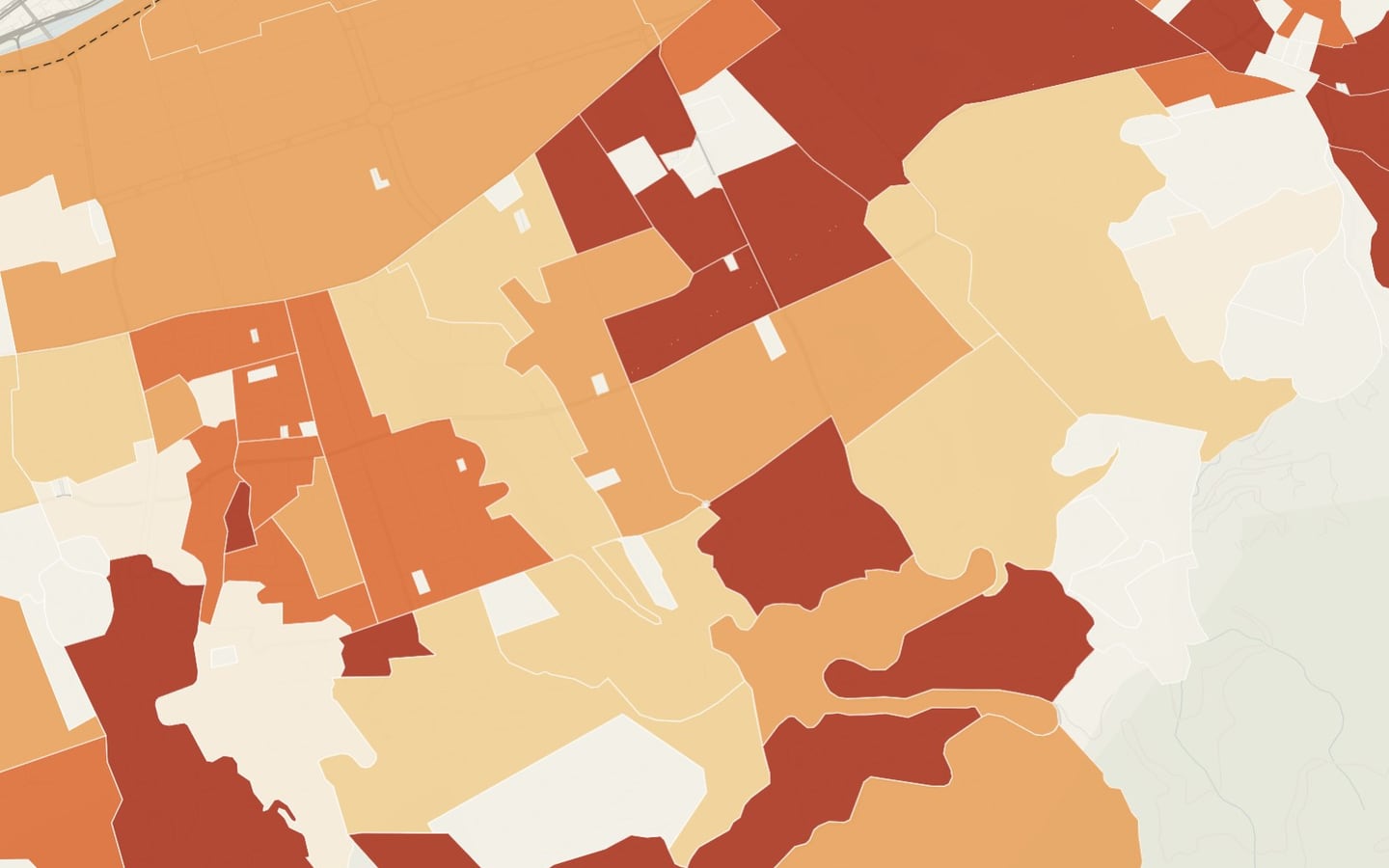
Case files, arrests and use of force in Guadalupe, Nuevo León, by neighborhood and by week: family violence is reported more but leads to fewer arrests, and the diagnosis translates into 180 new hours of police training.
Read the technical noteThe first two pages, online. The full note is sent by email on request.
The problem
A security institution produces case files, arrests and reports on its own conduct every day. Read at their own scale (municipality, neighborhood, week)they show what changed in the city and what changed in the record itself.
That reading leads to a documented proposal: 180 more hours of initial training, each traceable to a gap in the diagnosis.
What we found
Domestic violence reports rise while arrests fall
Domestic violence case files rose 60% in 2025 (from 1,723 to 2,761); arrests for that offense went from 36 to 11 per 100 case files.
A sudden change in arrests shows that the way of recording changed
Drug and health arrests fell from 83 to 17 per week in the last week of September 2024; in 60 of 73 neighborhoods they fell more than 70% and in none did they rise.
The records translate into 180 new hours of initial training
The gaps found (domestic and gender violence, traffic negligence, property dispossession, digital crime) become 180 new hours of initial training: from 1,080 to 1,260 (documented proposal).
Arrests are not made where traffic casualties are highest
The 20 neighborhoods with the most traffic casualties account for 32% of casualties, but only 18% of arrests; across neighborhoods, the relationship is moderate (correlation of 0.5).
Traffic casualties are mostly pedestrians and at night
38% of traffic casualties were walking and 32% of incidents with casualties occur at night.
See it on the map
What we recommend
In the traffic-negligence block of initial training, field practice in the neighborhoods with the most pedestrian casualties: Jardines de Andalucía (41 pedestrians), 2 de Mayo (35), 3 Caminos (34) and Cañada Blanca (27).
The police record doesn’t look where people are most often hurt on the street, and that needs to reach the classroom.
Records audit, analysis by neighborhood and week, and cartographic storytelling · Guadalupe, Nuevo León · 2026
Facing a similar problem?
We can run this analysis for your city, with your data and your question.
Relevant for
- Public services and public works departments
- Citizen services and innovation offices
- Public safety, coexistence and civic justice
- Traffic and urban management